
The Global Smart Textile Market currently valued at $2.83 Billion, is projected to reach a whooping market size of $ 15.02 Billion by 2030. Over the forecast period of 2025-2030, market is projected to grow at a CAGR of 6.85%.
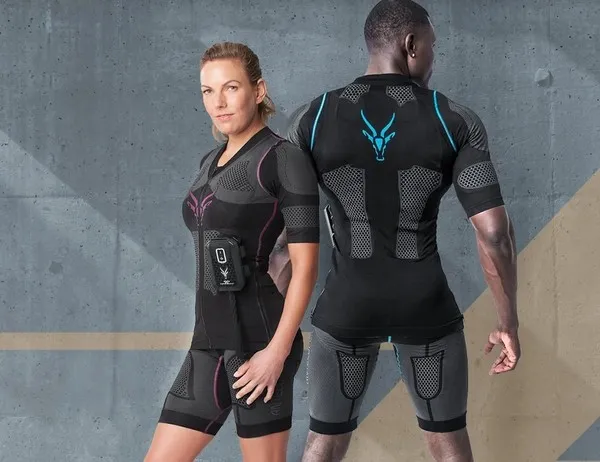
The Global Smart Textile Market is a dynamic and rapidly evolving sector, driven by technological advancements and increasing consumer demand for innovative and multifunctional textiles. Wearable technology, such as fitness trackers and smart clothing, has become an essential part of many people’s lives, promoting a more health-conscious and connected lifestyle. This trend is expected to persist, driving sustained growth in the smart textile market over the coming years.
During the pandemic, there was a significant shift in consumer behavior and a heightened awareness of health and hygiene. This led to an increased demand for smart textiles with antimicrobial and health-monitoring properties. Manufacturers quickly adapted to these needs, developing textiles that could monitor vital signs, detect symptoms of illness, and provide protection against pathogens.
In the short term, one of the key market drivers is the rising consumer demand for sustainable and eco-friendly products. With growing environmental awareness, consumers are increasingly seeking out products that are not only technologically advanced but also environmentally responsible. This has led to a surge in the development and adoption of smart textiles made from sustainable materials and processes.
One notable trend in the smart textile market is the increasing collaboration between technology companies and textile manufacturers. As smart textiles require the integration of advanced electronic components into fabrics, collaborations are essential to combine expertise in both fields. Technology companies bring innovation in sensors, connectivity, and data analytics, while textile manufacturers contribute their knowledge of fabric production, durability, and comfort.
Segmentation Analysis:
- The global Smart Textile Market segmentation includes:
- By Type: Active/Ultra-Smart Textiles, Passive Smart Textiles.
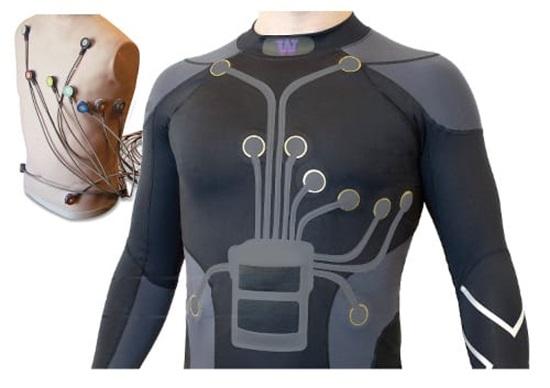
Based on market segmentation by type, the Active/Ultra-Smart Textiles segment occupied the highest market share in the year 2022. The growth can be ascribed to the cutting-edge features and capabilities and versatility that active/ultra-smart textiles offer. Active/ultra-smart textiles go beyond the classic textile material by comprising concealed electronic components like sensors and actuators that can detect and respond to changes in their environment.
Graphene is seen as one of the fastest-growing segments that have gained significant attention and popularity due to its remarkable properties, including exceptional electrical conductivity, mechanical strength, and thermal conductivity. It is widely used in various industries, such as electronics, energy, aerospace, and biomedical applications, due to its versatility and broad range of applications. By Function: Energy Harvesting, Luminescence and Aesthetics, Sensing, Thermoelectricity, Others.
Based on market segmentation by function, the Sensing segment occupied the highest market share in the year 2022. The growth can be ascribed to smart textiles’ rising applications in diverse industries, encompassing medical, sports, military, and aerospace. These industries already utilize sensing and monitoring technologies, but integrating these capabilities into textiles can significantly amplify their efficiency. By incorporating sensing and monitoring functions into textiles, these sectors can experience improved efficiency, accuracy, and convenience in their specific applications.
By End-User Industry: Automotive, Fashion and Entertainment, Healthcare, Military and Protection, Sports and Fitness, Others. Based on market segmentation by end-user industry, the Military and Protection segment occupied the highest market share in the year 2022. The growth can be ascribed to the augmenting demand for smart textiles tailored for military applications, as these textiles offer an extensive array of capabilities. These textiles possess elevated insulation properties and provide ballistic protection, usually crafted with waterproof fabric. Furthermore, certain smart textiles utilized in military settings come equipped with advanced functionalities like health monitoring, GPS systems, sensors, and motion trackers.
Regional Analysis:
Based on market segmentation by region, North America occupied the highest market share of the Global Smart Textile Market in the year 2022. The popularity of fitness and sports industries, the utilization of smartphones with Bluetooth Low Energy (BLE) for connecting sensors to the internet, the technological advancements and improvements, the augmenting demand from the healthcare industry, and the presence of a highly developed automotive industry that utilizes smart fabrics in various applications have contributed to the skyrocketing growth in this region. The demand is further projected to grow by the end of this decade. Carbon nanomaterials, such as graphene and carbon nanotubes, possess exceptional properties, including high electrical conductivity, mechanical strength, and thermal stability, making them highly sought-after for various electronic applications.
Based on market segmentation by region, Asia-Pacific is the fastest-growing region. Rapid technological transformation due to Western influence, emerging tech startups, and rising demand for task automation have boosted the demand for BFSI outsourcing in the region. Asia-Pacific acquired nearly 40% of the global market in 2022, because of the increased demand from the automobile and electronics industries. The region’s focus on technological advancement and its large consumer base have further contributed to its growing market share.
